


Burning Sage 101
A Beginner’s Guide to Energetic Cleansing & Sacred Space Reset
Burning sage is an ancient practice used to clear stagnant energy, invite in fresh blessings, and restore balance to your space. Whether you’re cleansing a new home, releasing heavy energy, or preparing your sacred space, this guide will walk you through the process with intention and care.

What Is Sage Used For?
Sage is traditionally used to:

Clear stagnant, heavy, or unwanted energy

Support spiritual rituals, meditation, and intention-setting

Create a sense of peace and clarity

Prepare a home for new beginnings and blessings

Reset the energetic flow of a space

Cleanse crystals & other spiritual tools
How to Burn Sage (Step-by-Step)

1
Set your intentions
Before lighting your sage, pause.
Take a deep breath and set a clear intention.
Example: “I release all stagnant energy and welcome peace, clarity, and blessings into this space.”
2
Light the sage
Use a candle or lighter
Allow the sage to catch flame briefly
Gently blow it out so it smolders and releases smoke
3
Start from the back
Begin at the furthest point from your front door and work your way forward.
This allows energy you are releasing to move outward and exit, making room for fresh energy to enter.
4
Move with purpose
Walk slowly and mindfully through each room, guiding the smoke with your hand or a feather.
As the smoke fills and cleanses your space envision all stagnation and negativity dissipating along with it.
Where to Sage (Don’t Skip These!)
-
Corners of rooms
-
Under and behind furniture
-
Closets and doorways
-
Windows and mirrors
-
Areas that feel heavy or “off”
Bonus Tip:
Where dust, cobwebs, and clutter collect is often where stagnant energy builds up.
For best results:
-
Physically clean first
-
Then energetically cleanse with sage


Bonus Technique for
Energy-Shifting
You can shift the energy in your home by slightly moving furniture, even just an inch in one direction!
This subtle movement:
-
Disrupts stagnant energy patterns
-
Encourages fresh energetic flow
-
Acts like a “reset” for your space
For example, making your bed every morning starts your day with fresh energy, balance, and clarity.
Think of it as giving your home a gentle energetic stretch(:

Sage Rituals for Different Spaces

Cleansing Your Home
-
Open a window or door to allow energy to exit
-
Move room by room with intention
-
Finish near the front door

Cleansing Sacred Space
-
Focus on altars, crystals, tools, and meditation areas
-
Speak affirmations or prayers aloud
-
Move slowly and intentionally
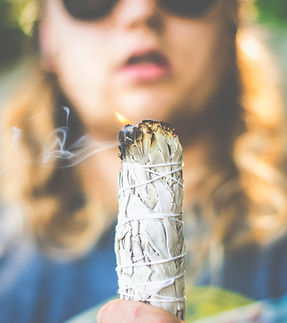
Cleansing Yourself
-
Gently waft smoke around your body
-
Focus on releasing emotional heaviness
-
Avoid direct inhalation
Sage vs. Palo Santo: What’s the Difference?

Many people choose to sage first and then use Palo Santo to call in positivity.
Sage
-
Clears and releases energy
-
Ideal for deep cleansing
-
Best used when energy feels heavy or stagnant
Palo Santo
-
Invites in warmth, peace, and blessings
-
Great after sage or on its own
-
Supports grounding and heart-centered energy
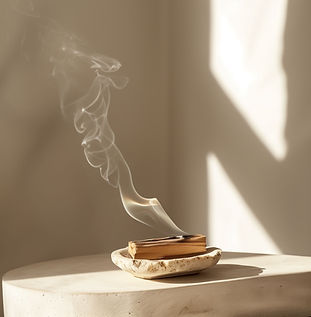
Learn more about
Palo Santo here:
{Explore Palo Santo}

A Note on Cultural Respect & Mindful Use
The practice of burning sage, often referred to as smudging, originates from Indigenous cultures, particularly many Native American and First Nations tribes, where it is used as a sacred ceremonial practice for prayer, protection, and purification.
At Moonchild’s Obsession, we honor these traditions with deep respect. We encourage mindful, intentional use of sage, focusing on gratitude, awareness, and reverence rather than fear or force. When using sage, remember that intention, respect, and connection matter more than perfection.
Sage cleansing is not about “banishing” energy, but about restoring balance and creating space for peace, clarity, and blessings.
Use what resonates, honor the origins, and move with love(:

The Origins
&
History of Sage
Sage has been used for centuries across many cultures as a sacred plant of connection.
In Indigenous traditions of North America, White Sage (Salvia apiana) was, and still is, used in ceremony, prayer, and healing rituals. The smoke is believed to carry prayers upward, cleanse the spirit, and restore harmony between the physical and spiritual worlds.
Beyond Indigenous cultures, other forms of sage have also been used historically:
-
In Ancient Rome, sage was considered a sacred medicinal plant
-
In European folk traditions, sage was burned for protection and purification
-
In many cultures, sage symbolized wisdom, longevity, and spiritual clarity
Across traditions, one theme remains consistent:
"Sage is a plant of reverence, intention, and renewal."
When we burn sage today, we are participating in a lineage of our ancestors who turned to the Earth for grounding, healing, and connection.
Sustainability &
Sacred Sourcing
Sage is a sacred plant, and like all gifts from the Earth, it deserves to be treated with respect and care.
In recent years, increased demand has placed strain on wild sage populations, especially White Sage.
At Moonchild’s Obsession, we believe that sustainability, education, and mindful sourcing are acts of reverence.
Whenever possible, we encourage ethical sourcing, responsible harvesting, and even growing your own sage at home.
Caring for the plant means honoring the practice.
Growing your
own Sage
How Long Does Sage Take to Grow?
-
Sage is a slow-growing, patient plant
-
From seed to harvest: 6–12 months
-
Full, mature bundles: 12–18 months
Sage teaches patience, presence, and consistency!
What Sage Needs to Thrive
-
Sun: Full sun (6–8 hours daily)
-
Soil: Well-draining soil (sandy or loamy is best)
-
Water: Light watering, sage does not like soggy roots
-
Space: Sage likes room to breathe; overcrowding weakens energy and growth
Sage thrives when you don’t overdo it, just like us! (;
How to Properly Harvest Sage
When your sage plant is well-established:
-
Harvest only after the plant is mature
-
Never take more than ⅓ of the plant at one time
-
Use clean scissors or garden shears
-
Cut stems above a leaf node to encourage regrowth
Before harvesting, many people like to pause and offer gratitude, even a simple thank you is enough!
Drying Your Sage
Drying sage slowly preserves both its aroma and energetic integrity.
To dry:
-
Gather small bundles (5–7 stems)
-
Tie loosely with natural twine or cotton string
-
Hang upside down in a cool, dry, well-ventilated space
-
Keep out of direct sunlight
Drying time: 2–4 weeks
Your sage is ready when:
-
Leaves feel crisp
-
Stems snap cleanly
-
Aroma is strong but gentle
Bundling Your Sage
Once dried:
-
Group stems into bundles that feel comfortable in your hand
-
Tie gently — not too tight (sage needs to breathe)
-
Store in a dry place until ready for use
Handmade bundles carry a deeply personal, nurturing energy!
A Sustainable Invitation
If you feel called to deepen your relationship with this sacred plant, growing your own sage is a powerful and meaningful way to do so!
Ready to begin your journey?
{Shop Sage Seeds}
Growing sage is more than gardening, it’s a practice of patience, intention, and respect for the Earth.
